
Review · ASWAN
4-Day Nile Cruise sails Aswan to Luxor&Abu Simbel.Hot air Balloon
The best thing about this four-day Nile cruise is its steady procession of ancient sites. You move from Aswan to Luxor by river, stopping at Philae, Abu Simbel, Kom Ombo, Edfu, the Valley of the Kings, and Karnak instead of piecing together separate day trips.
I like the practical door-to-door service, from pickup in Aswan to drop-off at your Luxor hotel or train station. I also like the guides, especially Talaat Abdo, Michael, and Khaled, who are praised for clear explanations, careful scheduling, and help with the small hassles that can sour a day in Egypt.
The trade-off is pace. Abu Simbel takes about eight hours on day two, and the first part of the trip packs in a lot of temples. Entrance fees are also extra, and ship quality can vary, with some cabins and boats feeling older than the 5-star label suggests.
Key points to know before booking
- Abu Simbel is an early, eight-hour outing: You leave the cruise for one of Egypt’s great sights, then return in time for sailing.
- Philae requires a motorboat: The island setting makes this temple special, but the boat ride and entrance cost are separate.
- The cruise includes nine meals: You receive three breakfasts, three lunches, and three dinners, but drinks and onboard Wi-Fi cost extra.
- Day four is a full Luxor circuit: The Valley of the Kings, Hatshepsut, Colossi of Memnon, Karnak, and Luxor Temple are all covered.
- The hot-air balloon is optional: It can be added for an extra charge before the West Bank sightseeing.
- The group may reach 50 people: Abu Simbel is described as a shared small-group outing, while the full activity can have a larger maximum.
What the $306 price really covers
At $306 per person, this is an efficient way to cover Upper Egypt. The price includes three nights on a full-board Nile ship, English-speaking representatives, an English-speaking Egyptologist guide, road transfers in air-conditioned vehicles, local services, and the Abu Simbel excursion with a shared guide.
That matters because transport is the awkward part of an Aswan-to-Luxor trip. You are not left arranging a motorboat at Philae, a vehicle to Abu Simbel, transfers between monuments, and a final ride to your Luxor hotel. The operator handles the chain from arrival in Aswan through departure in Luxor.
The price does not include entrance tickets. That is the main cost to plan for beyond the advertised fare. You also pay separately for drinks, bottled water, Wi-Fi on the ship, staff tips, and the optional hot-air balloon.
I see this as good value if you want a tightly organized first look at the Nile corridor. It is less attractive if you prefer a quiet ship holiday with long afternoons and plenty of time at each monument. This is a sightseeing trip with a cruise built around it, not a leisurely cruise with occasional shore stops.
A few more sailing trips around Egypt worth a look
- 4-Days Aswan sails Nile Cruise Luxor &Abu Simbel.Hot air Balloon
★ 4.5 · 77 reviews - 4-Days Nile Cruise sails Aswan to Luxor &Abu Simbel. Balloon tour
★ 5.0 · 49 reviews - 4-Days Nile Cruise sails Aswan to Luxor &Abu Simbel. Air Balloon
★ 5.0 · 26 reviews
Day one: Aswan, the High Dam, and Philae
Pickup is available from an Aswan hotel or train station, followed by transfer to the ship. The first hour is set aside for boarding, refreshing yourself, and settling into your private cabin. That is useful if you arrive by overnight train or have had a long journey into Aswan.
The first sightseeing stop is the Aswan High Dam. Built in the 1960s, it changed the flow of the Nile and created Lake Nasser. From the top, you can look south across the lake toward Kalabsha Temple and north toward the power station.
The dam is not the prettiest stop, but it gives context to the entire Aswan visit. The rising water threatened ancient monuments, including Philae, and the rescue of those sites explains why some Egyptian temples now sit away from their original locations.
Philae is the more memorable visit. A short motorboat ride takes you to the island temple, dedicated to Isis. The complex was moved about 500 meters from its original site when the High Dam raised the surrounding water. Its island setting, landscaped grounds, and columns make it one of the most appealing places on the itinerary.
Your guide leads a walking tour, then gives you time to look around independently. I value that balance. Ancient temples can become a blur when every minute is spent listening to a lecture, so the free time lets you return to a detail, take photographs, or simply enjoy the setting.
Entrance to the High Dam and Philae is not included. Keep that in mind at the start of the trip, since the advertised price does not represent your entire sightseeing budget.
After the tour, you return to the ship in Aswan. The timing gives you a gentle introduction, but it is only a gentle introduction. Abu Simbel arrives very early the next morning.
Day two: the long road to Abu Simbel
Abu Simbel is the biggest time commitment of the cruise. The excursion lasts about eight hours, including the journey and time at the temple complex, and begins early in the morning. You return to the ship in the afternoon before it sails.
The temples are famous for the huge rock-cut figures of Ramses II, but the most useful way to approach the visit is to see it as part of the same preservation story as Philae. The temples were relocated in the 1960s to protect them from the rising waters of Lake Nasser. Your guide can connect the modern engineering work with the ancient monuments you are seeing.
This outing will suit you if Abu Simbel is high on your Egypt wish list. It will not suit you if you want every day of the cruise to feel restful. The return journey is long, and the early departure can make the second half of the day feel tiring.
The Abu Simbel visit is arranged as a shared outing with an English-speaking guide. The broader activity can include up to 50 people, so ask how your particular departure is organized if group size matters to you. Some feedback praises the main guides for keeping schedules clear and helping with local pressures, while one account points to a less attentive Abu Simbel guide. That suggests you should stay aware of meeting times and keep track of the group during this long excursion.
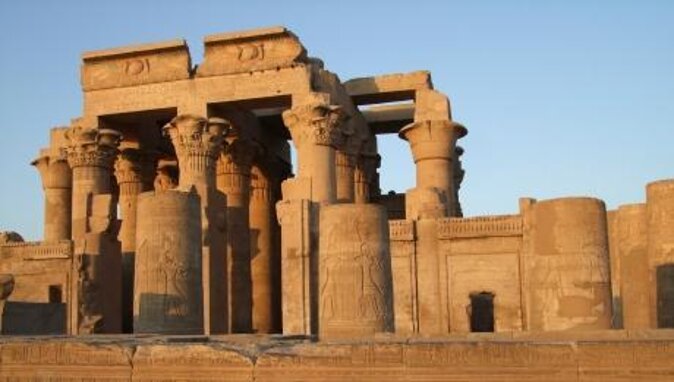
Later, the ship stops at Kom Ombo. The temple is unusual because it was dedicated to two gods, Sobek and Horus, and its position beside the Nile makes the arrival by cruise especially fitting. You visit with your guide before the ship continues toward Edfu.
Kom Ombo is a shorter, more focused stop than Abu Simbel. After a demanding morning, it is a welcome chance to walk through a site without another long road transfer. Entrance is extra, as it is at the other major monuments.
Day three: sailing and the Temple of Horus
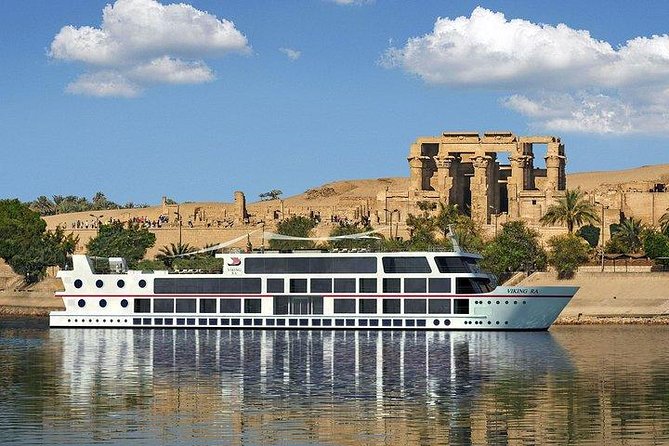
Day three is the cruise day people often picture when they book a Nile voyage. You have time aboard while the ship moves along the river toward Edfu and then Luxor. The schedule is less packed than the previous day, giving you a chance to use the deck, rest, and watch the riverbanks pass.
The itinerary describes a stop at Edfu to visit the Temple of Horus. A guide leads the visit, with time afterward for photographs and independent exploration. The temple is dedicated to Horus and is one of the major surviving religious sites on the route.
The order of sailing and sightseeing can depend on the ship’s movement, but the important point is that you receive a proper cruise day rather than four straight days of road touring. The ship remains your base, and your private room is available for the three nights.
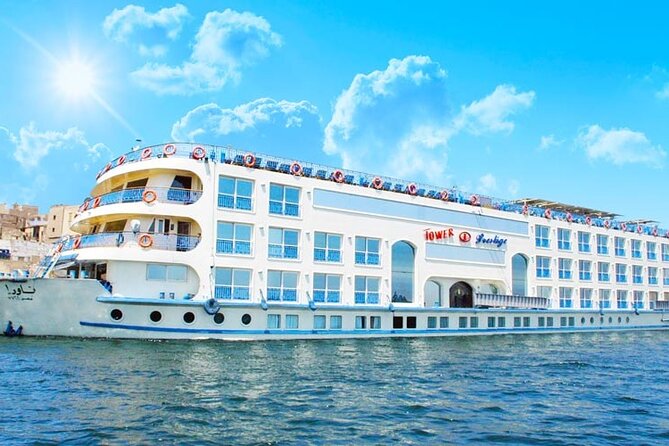
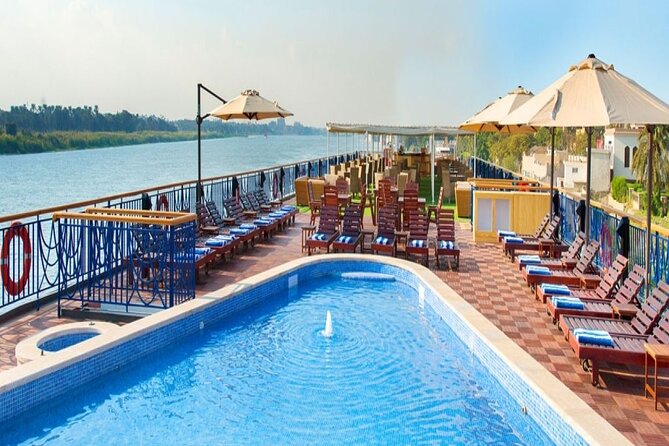
Luxor is reached in the afternoon. You spend the night aboard before checking out the next morning. Reports about the ships are generally favorable on cabin size, cleanliness, food, service, and rooftop areas with a pool. At the same time, one lower rating describes an older ship needing updates. I would treat the 5-star description as a category used for the cruise package, not a guarantee of a new or polished vessel.
The food plan is straightforward: breakfast, lunch, and dinner each day. That is nine included meals in all. It simplifies the trip, though you should budget for drinks and water because those are not included. Wi-Fi is available on the ship for an extra charge.
Same coast, a different boat:
- Hurghada: 3 Islands, Dolphins & Snorkel Yacht Trip w/ Lunch
★ 4.7 · 4,609 reviews - Ras Mohamed & White Island luxury Yacht Trip Sharm el Sheikh
★ 4.5 · 997 reviews - Snorkeling trip to Ras Mohamed & The White Island aboard Luxury Yacht
★ 5.0 · 479 reviews - Nile River Dinner Cruise on a Yacht with Open Buffet
★ 4.5 · 292 reviews
Day four: Luxor’s West Bank and two great temples
The optional hot-air balloon flight takes place early in the morning before breakfast and checkout. It is not included in the price, and the activity requires suitable weather. If you choose it, expect a very early start before joining the rest of the Luxor sightseeing.
The first main stop is the Valley of the Kings. The valley contains 66 tombs from different dynasties, though the tombs open to visitors can vary. Your guide explains the royal burial ground, but remember that entrance fees are separate and the ticket arrangement may limit which tombs you enter.
The valley is one of those places where good guiding makes a real difference. The painted walls and burial chambers are easier to understand when you know what the symbols and rooms were meant to do. Bring practical footwear, since the visit involves walking over uneven ground and moving between tomb entrances.
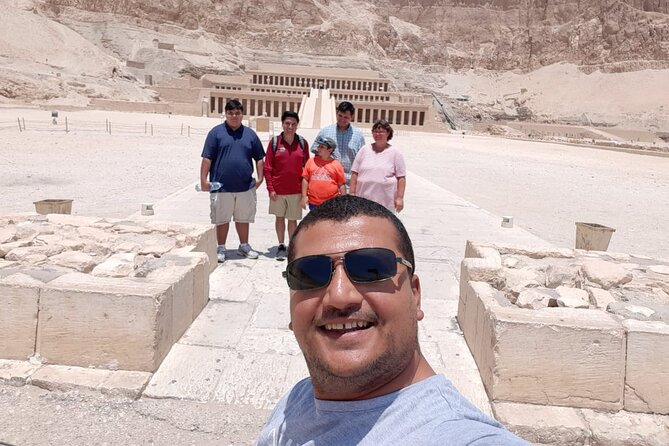
Next comes the Temple of Hatshepsut at Deir el Bahari. The monument is tied to Egypt’s only female ruler, and its terraces rise dramatically against the cliffs. The visit lasts about an hour and a half, enough for the guide to explain Hatshepsut’s rule and for you to see the main architectural lines without lingering all morning.
The Colossi of Memnon is a brief roadside stop. The two enormous seated statues represent Amenhotep III and face the Nile. You have about 45 minutes here, and there is no separate admission charge listed. It is a quick photo stop rather than a long museum-style visit.
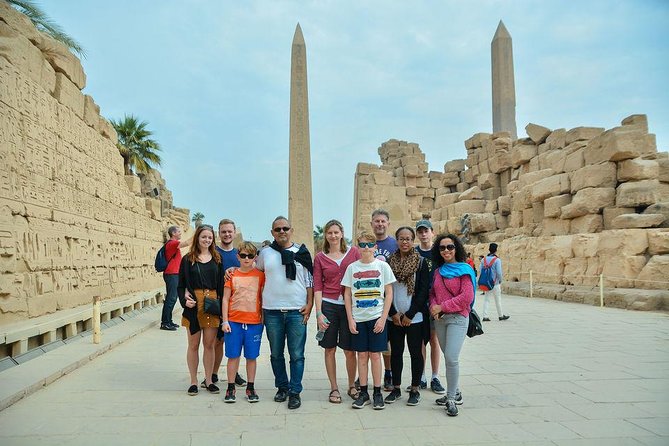
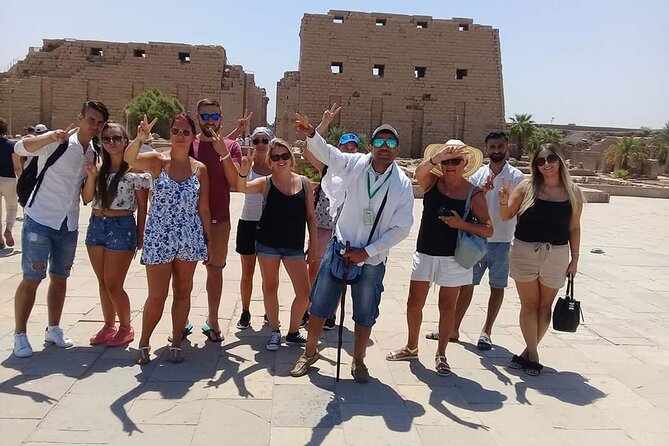
Karnak then brings you to the East Bank. This enormous complex was dedicated originally to Amun Ra, his wife Mut, and their son Khons. More than 20 temples and structures were added by successive rulers, including the Hypostyle Hall with its forest of giant columns.
Give Karnak your attention. It can feel overwhelming if you hurry through it, but the scale is the point. The complex covers a vast area, and the columns help you picture the power and resources of ancient Thebes. Your guide’s explanations are particularly useful here because the site contains layers from many rulers rather than one single monument.
The final stop is Luxor Temple. It is smaller and easier to take in after Karnak, and its position in the modern city gives the visit a different feel. The tour ends after this stop, with drop-off at your Luxor hotel, train station, or another preferred point in Luxor.
Guides, group size, and the human side of the trip
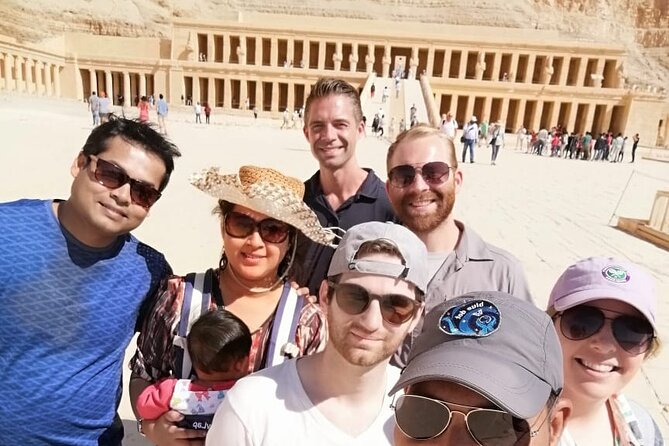
The guides are one of the strongest parts of this experience. Talaat Abdo is praised for explaining architecture and ancient Egyptian culture clearly, keeping people informed about the schedule, and making temple visits lively without losing the useful facts. Michael is also described as authentic, attentive, and careful with detail. Khaled receives strong praise for arranging sightseeing comfortably and helping protect people from common local scams.
Those details matter more than a polished ship brochure. A good guide helps you understand why a temple was built, what changed over time, and how to handle the practical side of touring Egypt. The service also includes English-speaking representatives who meet and assist you along the way.
The maximum group size is 50, which is not intimate. A larger group can mean slower movement at entrances and less personal time with the guide. On the other hand, the Abu Simbel portion is specifically described as a shared small-group tour, so that outing may be more manageable than the maximum number suggests.
The cruise seems best for someone who values organization over privacy. If you want a private guide, a quieter vehicle, or more control over the length of each stop, a private upgrade may be a better fit.
Who should book this Nile cruise?
Book it if you want the main Upper Egypt sights in one organized package, including Abu Simbel. It is especially useful for a first visit, for anyone arriving in Aswan by train or hotel transfer, and for people who want a guide to handle the complicated sequence of boats, vehicles, temples, and hotel drop-offs.
You should also book it if nine included meals and three nights aboard ship make planning easier. The river route gives you a sense of distance and place that a string of road trips cannot match.
Think twice if you dislike early mornings, long sightseeing days, or group schedules. The first two days are intense, the entrance fees add to the final cost, and the ship may be older than you expect from the 5-star wording. Also check the pickup rule carefully: collection is included from East Bank hotels in Aswan, while West Bank pickup costs extra.
Cancellation is free up to 24 hours before the start time. Poor weather or an insufficient number of bookings can also lead to a new date, another experience, or a full refund.
FAQ
How long is the Nile cruise?
The experience lasts approximately four days and includes three nights aboard the cruise ship.
Where does the cruise start and end?
It starts in Aswan and ends in Luxor. Drop-off can be arranged at your Luxor hotel, train station, or another preferred point in Luxor.
Is pickup included in Aswan?
Pickup is available from East Bank hotels in Aswan and from the Aswan train station. West Bank hotel pickup requires an extra charge.
Is Abu Simbel included?
The Abu Simbel excursion is included in the itinerary, with shared transport and an English-speaking guide. Admission to the temple complex costs extra.
Are meals included?
Yes. The package includes three breakfasts, three lunches, and three dinners while aboard the cruise.
Are entrance fees included?
No. Entrance fees for the listed sightseeing stops are separate from the tour price.
Is the hot-air balloon included?
No. The hot-air balloon is an optional early-morning activity available for an additional cost.
How many people can join the tour?
The activity can have a maximum of 50 participants. The Abu Simbel visit is described as a shared small-group excursion.
Should you book it?
I would book this cruise if your goal is to see as much of Upper Egypt as possible with one guide and one organized plan. The combination of Philae, Abu Simbel, Kom Ombo, Edfu, the Valley of the Kings, and Karnak is hard to beat at this price.
Go in with clear expectations: pay extra for admissions and drinks, prepare for an exhausting Abu Simbel day, and do not assume every 5-star ship will feel new. If you can accept those limits, the cruise gives you a practical, memorable route through Egypt’s greatest Nile monuments, with the river itself tying the whole journey together.
Just added around Egypt
- 1 -Hour Sailing Egyptian felucca ride on the Nile in Cairo★ 4.5 · 41 reviews
- Dinner Nile Cruise belly dancer open buffer tanora show sailing on Nile★ 5.0 · 9 reviews
- Ain Sokhna Red Sea Day Use Yacht from Cairo★ 5.0 · 12 reviews
- Private sailing boat with its Sailor for one hour or more★ 5.0 · 25 reviews
- Cairo sailing boat Tours on the Nile by felucca★ 4.0 · 26 reviews
- All inclusive private sailing Egyptian Nile Felucca Ride at Cairo★ 5.0 · 21 reviews
- Sailing Nile cruise from Aswan to Luxor includes tours for 3 nights★ 5.0 · 16 reviews
- Private 1-Hour Felucca Sailing and Botanical Garden In Aswan★ 3.5 · 15 reviews
Sailing Trips, compared.

Oslo Fjord Sightseeing Cruise by Sailing Ship
Read our review →
Sailing Catamaran Cruise with Sunset Option and DJ
Read our review →

Key West Sunset Sail with Open Bar, Live Music and Hors D’oeuvres
Read our review →
Los Cabos Luxury Sailing, Snorkel and Lunch Cruise
Read our review →

Daytime/Sunset/Night City Sailboat Tour with Drink
Read our review →Browse the lists this tour appears in